
On 17 October, we marked 𝗪𝗼𝗿𝗹𝗱 𝗧𝗿𝗮𝘂𝗺𝗮 𝗗𝗮𝘆 𝟮𝟬𝟮𝟲, a chance to recognise how far the management of traumatic injuries, including spinal cord injury (SCI), has come.
Each year in Australia, an estimated 350-400 people sustain a new spinal cord injury, from traumatic and non-traumatic causes. Behind every number is a person, a family and a future that research can help change.
Road accidents and falls remain major causes of traumatic SCI, with men disproportionately represented. While these injuries can have lifelong consequences, advances in emergency medicine and trauma care have significantly changed how people are managed in the critical hours following injury.
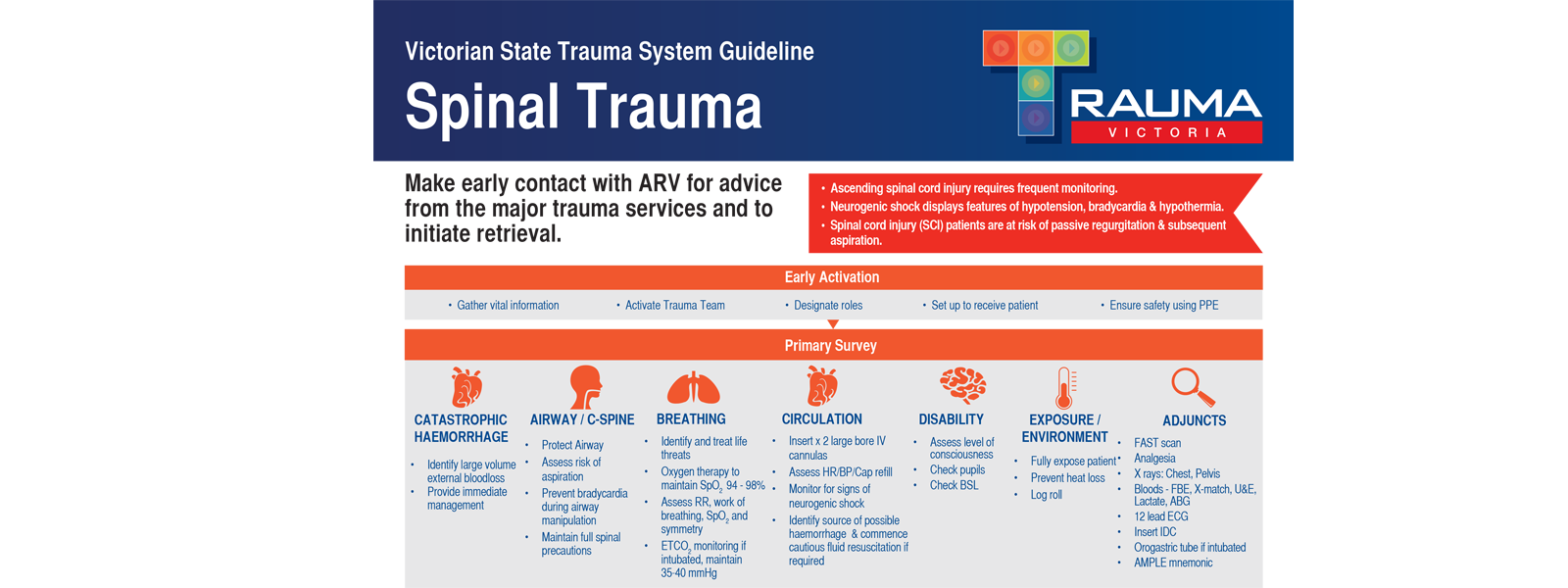
Over the past two decades, the management of spinal cord injury has evolved considerably, particularly in the period between injury and arrival at hospital. The Victorian State Trauma System provides evidence-based guidelines that emphasise:
- early identification of spinal injuries,
- protective handling,
- regular neurological assessment,
- maintaining adequate breathing and circulation, and
-
reducing the risk of secondary spinal cord damage.
Importantly, these guidelines recognise that early clinical decisions, timely communication and appropriate transport to specialist services can influence longer-term outcomes.
Since its establishment in 2000, the Victorian State Trauma System has helped improve the coordination of emergency response, retrieval and specialist trauma care, contributing to better outcomes for people experiencing major trauma. For spinal cord injury, this includes pathways to specialist services such as the 𝗩𝗶𝗰𝘁𝗼𝗿𝗶𝗮𝗻 𝗦𝗽𝗶𝗻𝗮𝗹 𝗖𝗼𝗿𝗱 𝗦𝗲𝗿𝘃𝗶𝗰𝗲 at Austin Health.
𝗪𝗼𝗿𝗹𝗱 𝗧𝗿𝗮𝘂𝗺𝗮 𝗗𝗮𝘆 is an opportunity to recognise the paramedics, clinicians, researchers and specialist teams who have contributed to these improvements, while acknowledging the importance of continued research and investment in improving spinal cord injury care, from the moment of injury through to rehabilitation and beyond.
Header image and infographic source: Victorian State Trauma
Infographic title: Spinal Trauma - Rapid Reference Guideline